A good 4WD setup is not just about tyres, suspension, recovery gear, and storage. Once you start travelling away from powered sites, your electrical system becomes one of the most important parts of the vehicle. A fridge running overnight, camp lights, a compressor, UHF radio, water pump, phone charging, and a small inverter can all place real demand on your battery system.
That is why a dual battery system for 4WD is such an important upgrade. It allows your accessories to run from a separate power source while keeping the starter battery ready to start the engine. For anyone touring through remote Australian tracks, beach camping, or staying off-grid for a few days, that separation can make a big difference.
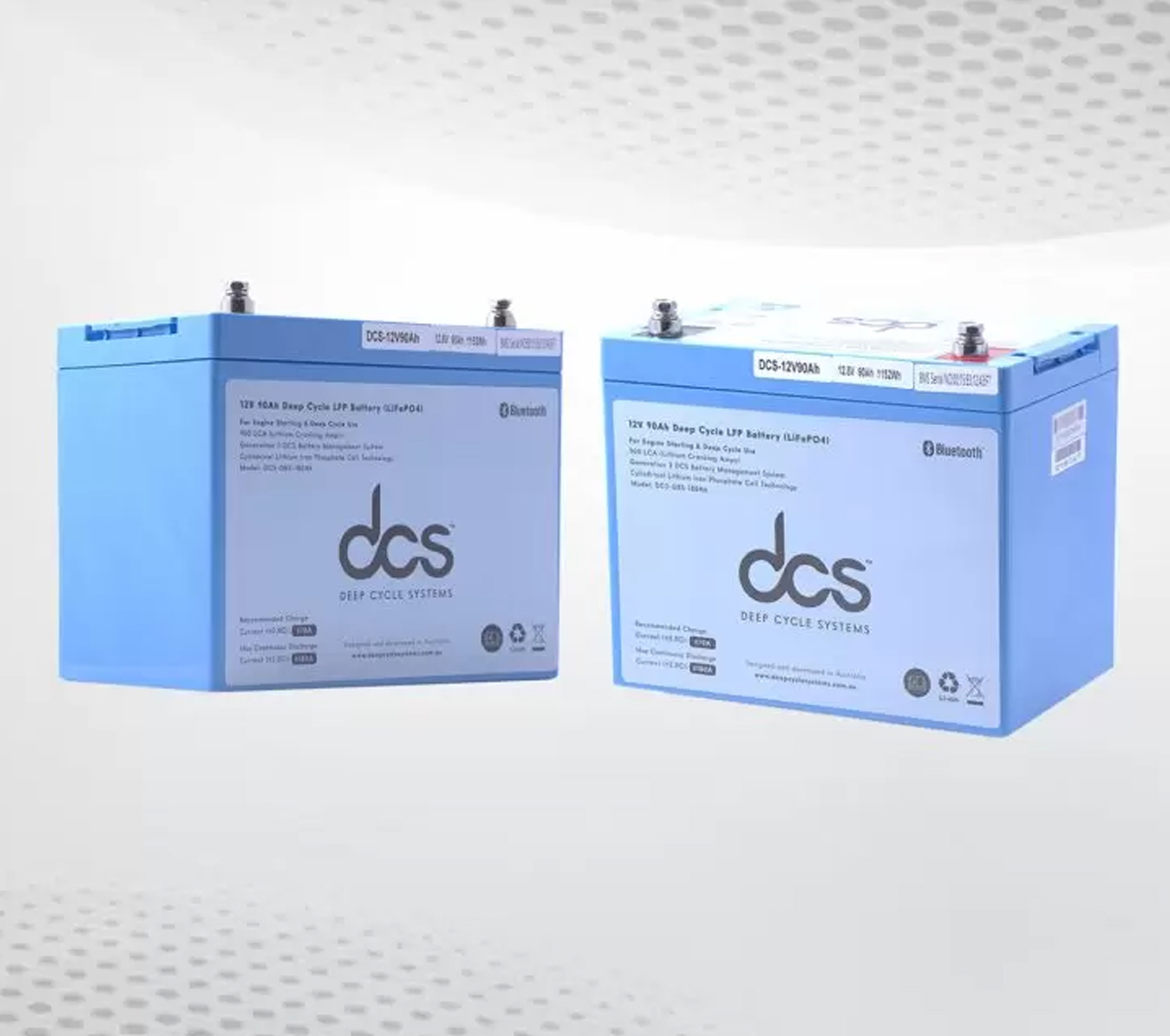
However, not every dual battery system is built the same. Some setups are basic. Some are made from off-the-shelf parts. Some rely on older charging methods that may not suit modern vehicles or lithium batteries. DCS takes a different approach, having developed its own dual battery system for demanding 4WD, RV, marine, and off-grid use.
Why a Single Battery Is Not Enough
A starter battery is designed for short, sharp power delivery. Its main job is to crank the engine, then recover charge while the vehicle is running. It is not designed to run a fridge all night or supply steady accessory power for hours at camp. This becomes a real issue in Australian conditions. A fridge may cycle more often in summer heat. Camp lights stay on longer than expected. Devices need charging. A compressor may be used after airing up. By morning, the starter battery may not have enough power left to do its main job.
A 4WD dual battery setup solves this by separating engine starting from accessory power. The starter battery remains protected, while the auxiliary battery handles camping and touring loads. For remote travel, this is not only about comfort. It is about making sure the vehicle starts when it needs to.
Conventional 4WD Dual Battery Setups
Most conventional dual battery systems follow a simple idea. The vehicle has one battery for starting and another battery for accessories. Between them, there is some kind of charging or separation device, often a battery isolator or a DC-DC charger.
A traditional battery isolator for 4WD connects the batteries when the engine is running and separates them when the vehicle is off. This helps stop accessories from draining the starter battery. In older vehicles with simple alternators, this approach has been used for many years.
A dual battery charger 4WD setup, usually known as a DC-DC charger, is a more modern option. It controls charging to the auxiliary battery and can often manage solar input as well. This is commonly used with lithium batteries and vehicles fitted with smart alternators.
These systems can work, but they are still conventional approaches. They usually depend on separate components being selected, installed, and matched correctly. The quality of the result depends heavily on battery choice, charger compatibility, wiring, fusing, mounting, and how well the whole system is designed.
Why DCS Developed Its Own Dual Battery System
DCS did not simply copy the standard market approach. The company developed its own dual battery system because many ordinary setups are limited by the way they are put together. A battery, charger, isolator, and wiring may all be purchased separately, but that does not mean they work as a properly designed power system.
For 4WD users, this matters. A touring vehicle deals with vibration, heat, dust, water crossings, long cable runs, changing alternator output, solar charging, and heavy accessory loads. A system that looks fine on paper may not perform well when the vehicle is travelling through corrugations or sitting at camp in hot weather.
A DCS-developed system is designed around real-world power needs. Instead of treating the battery as just one part of the setup, the system needs to be considered as a complete power solution. That includes how the battery charges, how it supports accessories, how it is protected, and how reliably it performs over time. This is where DCS separates itself from ordinary dual battery products in the market.
Choosing the Right Battery Type
Battery choice still matters. The battery is the heart of any dual battery system for 4WD, and different chemistries perform very differently.
Lead-Acid Batteries
Lead-acid batteries are usually cheaper upfront, but they are heavy, slower to charge, and limited in usable capacity. A 100Ah lead-acid battery does not mean you should regularly use the full 100Ah. Deep discharge can shorten its life, so real usable power is often much lower than the label suggests. For light use, lead-acid may still work. For regular touring, it quickly becomes limiting.
AGM Batteries
AGM batteries are sealed and have been popular in camping and 4WD setups for years. They are more practical than flooded lead-acid batteries and can handle basic accessory loads.
However, AGM batteries are still heavy and do not offer the same usable capacity or charging efficiency as lithium. They may suit occasional use, but they are not always the best answer for serious touring.
Lithium Batteries
A lithium dual battery 4WD setup offers major advantages for modern touring. Lithium batteries are lighter, faster to charge, and provide more usable energy compared with traditional battery types.
This is important in a loaded 4WD. Drawers, tools, recovery gear, roof racks, water tanks, fridges, and camping gear already add weight. Reducing battery weight while gaining usable power is a real advantage. Lithium batteries also hold voltage more steadily during discharge. Fridges, lights, pumps, and electronics can perform more consistently when voltage does not sag heavily. For many 4WD owners, lithium is the stronger long-term choice.
What Makes the DCS Approach Different?
A standard dual battery setup usually starts with the question: “Which battery and charger should I buy?”
The DCS approach is different because it looks at the system as a whole. A 4WD power setup should not be a random collection of parts. It should be designed to support the battery, protect the vehicle, and deliver reliable accessory power in demanding conditions. A proper DCS-style setup considers:
- How the auxiliary battery will be charged
- How the battery will handle real accessory loads
- How the system protects the starter battery
- How lithium technology is managed
- How the setup performs in rough Australian conditions
- How the battery integrates with solar and off-grid use
- How the system supports long-term reliability
This is the difference between simply installing a second battery and choosing a complete power solution. For people looking for the best dual battery system, the answer should not only be based on size or price. It should be based on system design, usable capacity, charging behaviour, battery protection, and long-term performance.
Think About How You Actually Travel
Before choosing a system, think about your real use. A weekend camper may only need to run a fridge, lights, and phone chargers. A touring setup may need to support a fridge/freezer, inverter, laptop, camera gear, water pump, compressor, and solar panels. Heat also changes power use. A fridge that runs easily in mild weather may work much harder during summer. If the vehicle is parked in the sun all day, the battery system has to work harder as well.
This is why a 4WD dual battery setup should be matched to the way the vehicle is used. Someone doing short beach trips does not have the same needs as someone crossing remote tracks or camping for several nights without moving. The right system should be designed for your load, your vehicle, and your travel style.
Solar and Off-Grid Charging
Solar is one of the most useful additions to a 4WD power setup. When the vehicle is driven every day, alternator charging can help keep the auxiliary battery topped up. But when you stay at camp for two or three nights, solar becomes much more important. A fixed panel can charge during the day with little effort. A portable solar blanket can be moved into better sun. Many travellers use both, depending on the trip.
If solar is part of your setup, it needs to work properly with the rest of the system. This is where a complete design matters. The battery, charging method, and solar input should not be treated as separate decisions. They should work together. A DCS dual battery charger 4WD system supports reliable charging, protects the battery, and helps maintain power when the vehicle is not moving.
What to Check Before Buying
A dual battery system should be chosen carefully. Before spending money, check more than just amp-hour rating. Important points include:
- Does the system suit your 4WD and travel style?
- Is the battery chemistry right for the application?
- Is the charging method suitable for lithium?
- Can the setup support solar if needed?
- Is the wiring and protection suitable?
- Is the battery protected by a quality management system?
- Is the system built for heat, vibration, and off-road use?
- Is it a complete solution or just a mix of parts?
This last point is important. A cheaper system may look attractive at first, but if it is not designed properly, it can lead to poor charging, reduced battery life, or unreliable accessory power.
Making the Right Choice for Your 4WD
The right dual battery system for 4WD should do more than keep a fridge running. It should protect the starter battery, support real accessory loads, charge correctly, and handle the conditions your vehicle will face on and off the road.
For serious touring, lithium makes strong sense because it offers usable capacity, lighter weight, faster charging, and better long-term performance. But the battery is only one part of the decision. The system around it must also be designed properly for the vehicle, the charging source, and the way the power will be used.
This is why DCS should not be viewed as just another battery brand in the discussion. DCS has developed its own dual battery system to give 4WD users a more complete and reliable power solution.
Get the Right Dual Battery System with DCS
If you are planning a serious 4WD power setup, Deep Cycle Systems can help you choose a lithium dual battery solution suited to your vehicle, accessories, and touring needs. With advanced lithium battery technology and a system designed for demanding Australian conditions, DCS gives 4WD owners a smarter way to power fridges, lights, chargers, solar input, and off-grid accessories without relying on a basic copied setup.