Solar power has become part of everyday life across Australia. From suburban rooftops to rural sheds, more households are generating their own electricity. But while solar panels work well during the day, most homes actually use more power in the morning and evening. That gap is exactly where home battery storage Australia comes in.
Instead of sending excess solar energy back to the grid, a home battery stores it for later use. This means your solar system can keep working for you even after the sun goes down. For many homeowners, this shift—from just generating power to actually storing it—is what makes solar truly useful. With rising electricity costs and increasing demand for reliable power, more Australians are now considering battery storage as a long-term solution.
Why More Australian Homes Are Adding Battery Storage
Energy use in Australian homes has changed a lot over the past decade. Air conditioning, home offices, electric cooking, entertainment systems, and smart devices all add to daily consumption. At the same time, solar panels are producing most of their power when people are not at home.
This mismatch is one of the biggest reasons battery storage is growing. A DCS battery allows homeowners to use their own solar energy when it matters most—during the evening.
Battery storage is especially useful for:
- Homes with existing solar panels
- Families with higher night-time electricity use
- Regional or rural properties with unreliable grid supply
- Households wanting more control over energy use
- Properties preparing for future upgrades like EV charging
It’s not just about saving money—it’s about having reliable, usable power throughout the day and night.
How a Solar Battery Storage System Works
A solar battery storage system connects your solar panels, inverter, and battery into one setup. During the day, your solar panels generate electricity. Your home uses that energy first. Any extra power is stored in the battery instead of being exported.
Later, when solar production drops, the battery supplies stored energy back into the home. This setup helps reduce reliance on the grid, especially during peak hours. It also makes better use of the solar system you already have. A well-designed system typically includes:
- Solar panels for generation
- An inverter to manage power flow
- A battery for storage
- A Battery Management System (BMS) for safety and control
The key is balance. The battery size, solar output, and household usage should all work together. A system that’s too large or too small for your needs may not perform efficiently.
What Is a LiFePO4 Home Battery?
A LiFePO4 home battery is a lithium-based battery designed for energy storage. It uses lithium iron phosphate chemistry, which is known for stability and long life.
This type of battery is widely used in solar systems because it handles daily charging and discharging better than many older technologies. In a typical home setup, the battery may cycle every day—charging from solar during the day and discharging at night.
LiFePO4 batteries are suited for this because they offer:
- Long cycle life
- Consistent performance over time
- High usable capacity
- Low maintenance
- Compact size compared to older battery types
They also work well with modern battery management systems, which monitor and protect the battery automatically.
Lithium vs Lead-Acid: What’s the Difference?
Lead-acid batteries have been used for years in backup systems, but they are not always ideal for modern solar setups. One major difference is usable capacity. Lead-acid batteries typically cannot be deeply discharged without reducing their lifespan. This means you may only use part of their total capacity in practice.
Lithium batteries, especially LiFePO4, allow deeper discharge and more usable energy. Over time, this makes a noticeable difference in performance.
Other differences include:
- Charging efficiency: Lithium batteries charge faster and more effectively
- Weight and size: Lithium is lighter and more compact
- Maintenance: Lead-acid may require checks and ventilation, lithium does not
- Lifespan: Lithium batteries generally last longer under regular use
For homeowners comparing options, lithium technology is now widely considered when looking for the best solar battery Australia solution.
Choosing the Right Battery Size for Your Home
Battery size is one of the most important decisions, and it’s often misunderstood. Bigger is not always better. The right battery depends on how your home uses energy. A smaller household with basic needs may only require enough storage for lighting, refrigeration, and evening use. A larger home with air conditioning, pumps, and multiple appliances will need more capacity.
Things to consider include:
- Daily electricity usage
- Solar system size
- Evening and night-time demand
- Backup requirements
- Future energy plans
If the battery is too small, it may run out quickly. If it’s too large, your solar panels may not charge it fully each day. A properly sized system ensures you get the most out of both your solar panels and your battery.
Home Battery Backup Australia: What to Expect
One of the biggest reasons people consider batteries is backup power. In areas affected by storms or outages, having stored energy can make a big difference. However, home battery backup Australia systems don’t always power the entire house automatically. Backup depends on how the system is installed and which circuits are connected.
In most cases, backup systems focus on essential loads such as:
- Fridge and freezer
- Lights
- Internet and communication devices
- Charging for phones and laptops
- Basic appliances
Running high-demand items like large air conditioners or ovens during an outage may require a larger system. A well-designed battery setup can keep your home running comfortably during outages—but it needs to be planned properly from the start.
What Makes a Good Solar Battery?
Not all batteries are built the same. When choosing a solar battery Australia option, it’s important to look beyond just price.
A reliable battery should offer:
- Stable battery chemistry (such as LiFePO4)
- Strong cycle life
- Good usable capacity
- A quality Battery Management System
- Compatibility with your solar setup
- Local support and warranty
Durability also matters. Australian conditions can be demanding, with heat, dust, and varied installation environments. A battery should be built to handle real-world use, not just ideal conditions.
Where Deep Cycle Systems Fits In
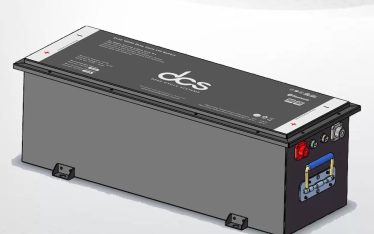
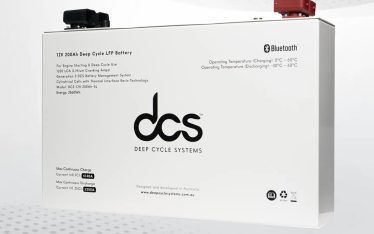
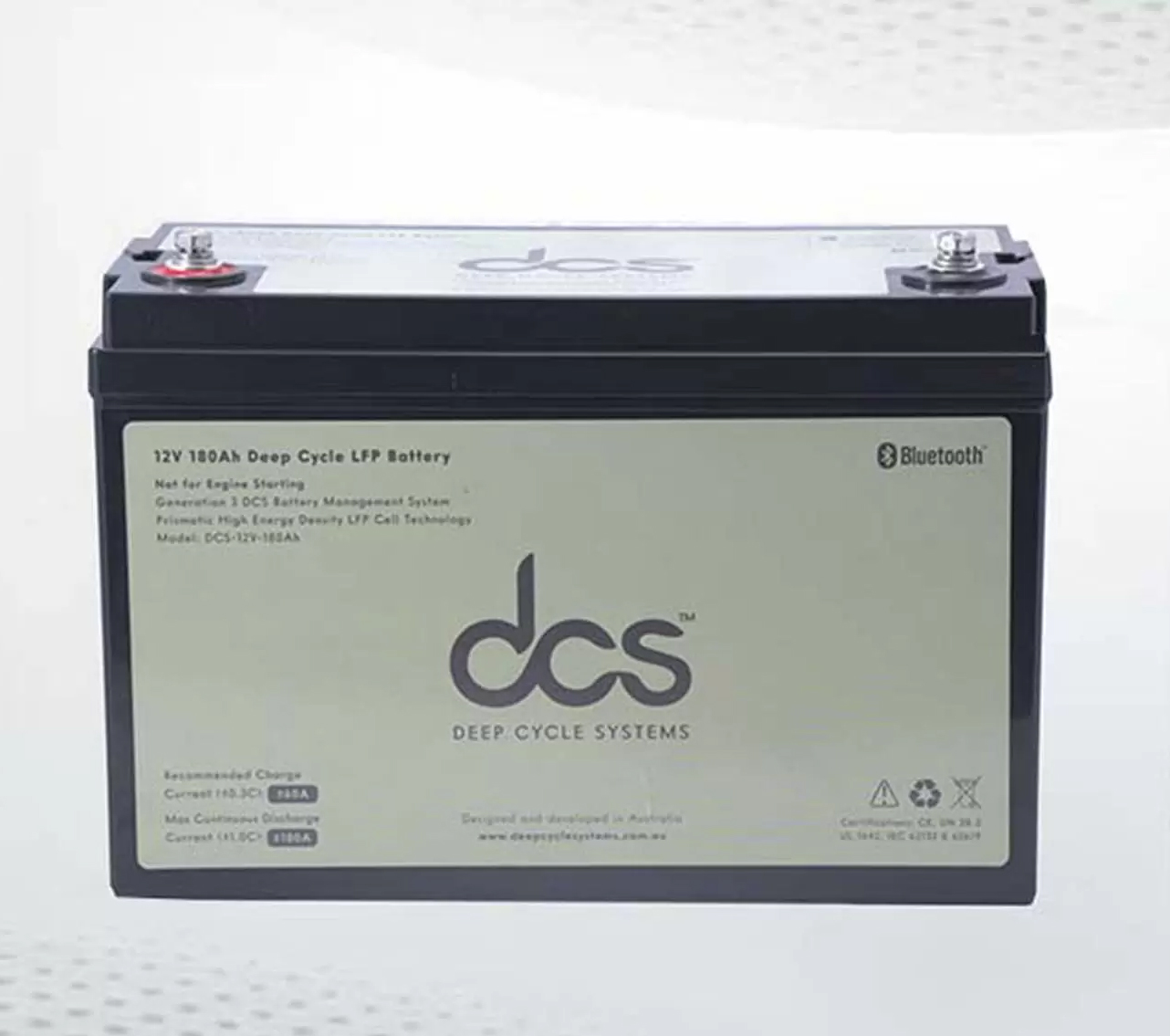
Deep Cycle Systems (DCS) is an Australian brand focused on lithium battery technology. The company develops deep cycle lithium batteries designed for demanding applications, including solar storage, off-grid systems, and backup power.
For homeowners looking at battery storage, DCS offers lithium solutions that are built for regular cycling and long-term performance. Their batteries are designed with integrated battery management systems and are suited for applications where reliability matters. Rather than focusing only on basic storage, DCS products are designed for practical use—whether that’s supporting a solar system, handling backup loads, or providing consistent performance over time.
For households exploring lithium storage, DCS is one of the options worth considering when durability and performance are key priorities.
Common Mistakes to Avoid
Before installing a battery, it’s important to avoid a few common mistakes. One of the biggest is choosing a battery based only on price. A cheaper battery may not last as long or perform as well under daily use. Another mistake is incorrect sizing. A system that doesn’t match your energy use may not deliver the expected results. Other things to watch out for include:
- Assuming all batteries provide full backup power
- Ignoring compatibility with your solar system
- Overlooking battery chemistry
- Not planning for future energy needs
Taking the time to choose the right system can prevent issues later and improve long-term performance.
Is a LiFePO4 Home Battery Worth It?
For many Australian households, a LiFePO4 home battery is a practical upgrade. It allows better use of solar energy, reduces reliance on the grid, and provides a level of backup support.
It’s especially useful for homes that:
- Already have solar installed
- Use more power in the evening
- Want backup during outages
- Plan to increase energy use in the future
While the upfront cost can be higher than older battery types, the long-term performance and lifespan often make it a worthwhile investment.
Choose the Right Home Battery Storage Solution
Moving to battery storage is a big step, but it’s one that more Australian homeowners are now taking. A well-designed system can improve how solar energy is used, provide backup support, and offer greater control over household power. When choosing home battery storage Australia, it’s important to look at quality, performance, and suitability for your specific needs. Lithium iron phosphate batteries have become a strong choice because of their durability and reliability in daily use.
Deep Cycle Systems offers lithium battery solutions designed for real-world conditions and consistent performance. Whether you are upgrading an existing solar setup or planning a new system, choosing the right battery is key to getting the most out of your energy.
Get Started with Deep Cycle Systems
If you’re planning to add battery storage to your home, now is the time to explore reliable lithium options. Deep Cycle Systems provides advanced battery solutions built for solar storage, backup power, and long-term use.
Get in touch with DCS today to find a battery setup that matches your home, your energy needs, and your future plans.