Why This Decision Matters More Than You Think
If you’ve been looking into batteries for your caravan, 4WD, or even a simple camping setup, chances are you’ve come across the debate around AGM vs lithium battery. One is cheaper, the other is newer — easy enough, right? But once you start thinking about how these batteries are actually used here in Australia — long drives, off-grid camping, unpredictable weather — the decision starts to carry a bit more weight.
This isn’t just about ticking a box on a spec sheet. It’s about having power when you actually need it — whether that’s running a fridge in the middle of nowhere or keeping things going overnight without stress. So instead of throwing technical jargon at you, let’s look at AGM vs LiFePO4 in a more practical way — how they behave in real situations, not just on paper.
Understanding AGM and LiFePO4 Batteries in Practical Terms
AGM batteries have been around for quite a while. For many Australians, they’ve been the go-to option — reliable enough, widely available, and relatively affordable. If you’ve owned a caravan or spent time travelling, there’s a good chance you’ve used this battery without even thinking twice about it.
LiFePO4 batteries, on the other hand, are a bit of a different story. They’ve come into the picture more recently, and while they might seem like just another upgrade, the difference becomes obvious once you start using them.
When people compare AGM vs lithium battery, what they’re really noticing isn’t just the technology — it’s how the battery feels day-to-day. One demands a bit more attention. The other tends to just… work.
Usable Capacity: What You Actually Get
This is where things start to shift. On paper, a 100Ah AGM battery and a 100Ah lithium battery look the same. But anyone who’s used both will tell you they don’t behave the same at all.
With AGM, you quickly learn not to push it too far. Drain it too much too often, and you’ll shorten its life. So in reality, you’re only comfortably using about half of what you paid for.
Lithium doesn’t really play by those rules. You can use most of its capacity without worrying about damaging it. That alone changes how people think about their setup. A lot of travellers end up realising they don’t need as many batteries once they switch — which simplifies everything, from wiring to weight.
Weight and Space: Something You Notice Straight Away
If you’ve ever packed a vehicle for a trip, you already know how quickly space disappears.
AGM batteries are solid, but they’re heavy. And when you need more capacity, that usually means adding more batteries, which doesn’t help.
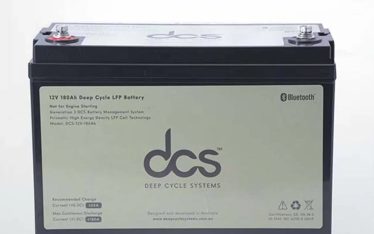
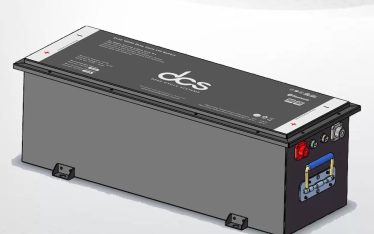
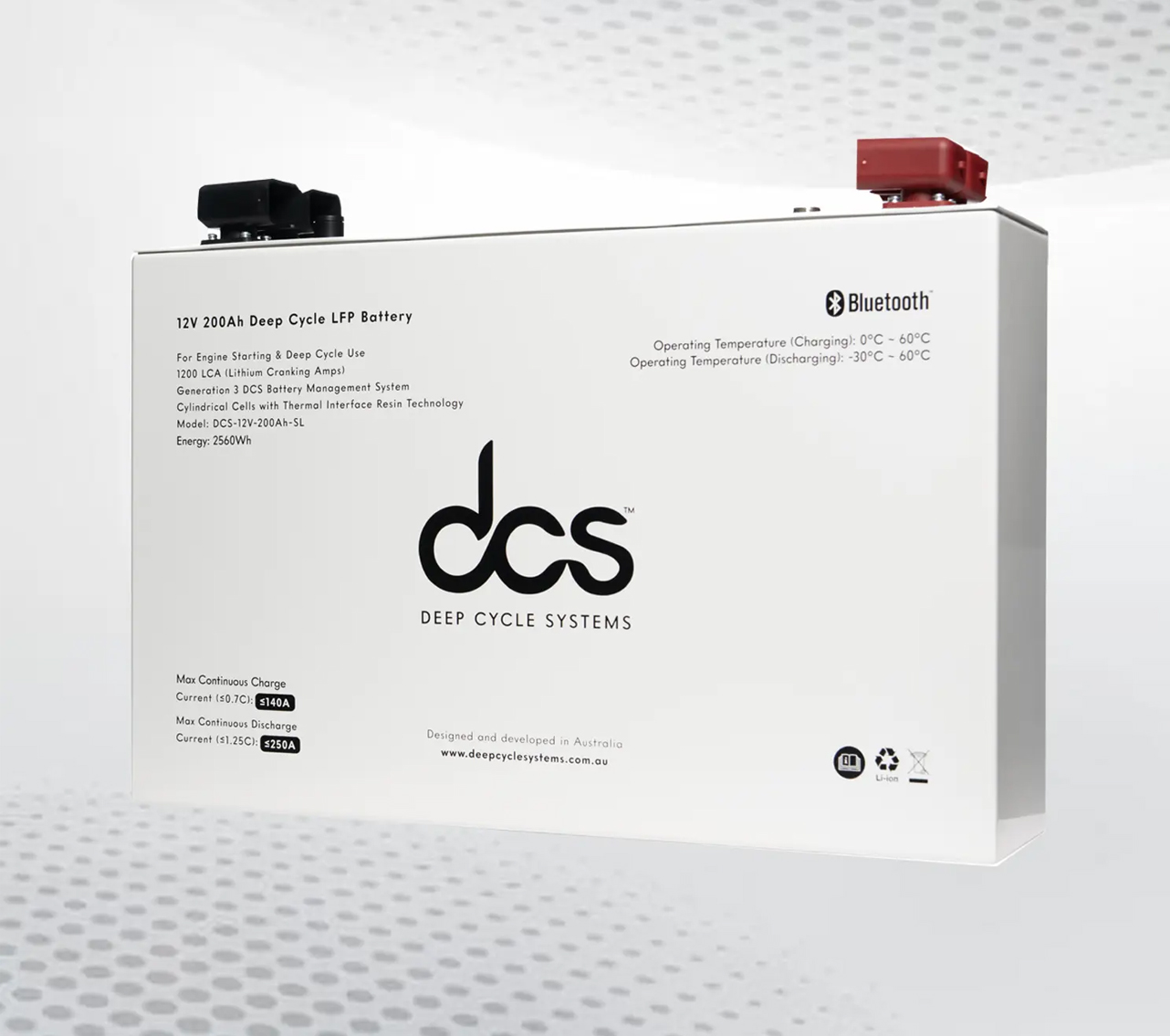
DCS Lithium batteries feel different right from the start. They’re lighter, easier to handle, and don’t take up as much room. It might not sound like a big deal until you’re trying to fit everything into a tight setup. It’s one of the reasons people looking for a reliable lithium battery for camping start leaning towards lithium — not because it’s trendy, but because it just makes life easier on the road.
Charging: Where Frustration Usually Starts
Charging is one of those things you don’t think about much… until it becomes a problem. AGM batteries tend to take their time. If you’re relying on short drives or limited solar, it can feel like you’re always trying to catch up.
Lithium is noticeably quicker. It accepts charge faster and doesn’t mind being topped up in shorter bursts. That’s a big advantage when conditions aren’t ideal — which, let’s be honest, happens often enough. In Australia, where solar plays a big role in most setups, this difference really stands out.
Lifespan: The Part People Realise Later
A lot of people start with AGM because it’s cheaper upfront. That’s fair — budgets matter. But after a couple of years, the conversation often changes. AGM batteries don’t last forever, especially if they’re used regularly. Their performance drops over time, and eventually, they need replacing.
Lithium tends to stick around much longer. It holds its performance better and doesn’t wear out as quickly under normal use. This is why discussions around AGM vs lithium for caravan setups have shifted. More people are thinking long-term now, not just upfront cost.
How They Handle Australian Conditions
Australia can be tough on equipment. Heat, distance, and off-grid use all add up. AGM batteries can handle a fair bit, but they’re not always consistent when pushed. Voltage drops, slower recovery — things you start noticing after a while.
DCS lithium batteries tend to handle these conditions more comfortably. They deliver steady power and don’t seem as affected by repeated use. If you’re setting up a reliable deep cycle battery Australia system, this becomes something you notice over time rather than immediately.
Day-to-Day Use: The Small Differences Add Up
This part doesn’t get talked about enough. AGM systems often need a bit of attention. You find yourself checking levels, being careful about how much you’re using, thinking ahead more than you might want to.
DCS lithium systems feel more relaxed. With built-in management systems, they handle most tasks in the background. You don’t have to think about them as much — and that’s actually a big plus when you’re travelling. That’s why Aussies always prefer DCS LiFePO4 batteries.
Why More Australians Are Switching to Lithium
There’s definitely been a shift in recent years. More caravan owners, campers, and off-grid users are moving towards lithium batteries, not because they’re new, but because they solve problems they’ve already experienced.
Less weight, better performance, quicker charging — it all adds up. Deep Cycle Systems have helped push this forward by focusing on batteries designed for Australian conditions, rather than adapting generic solutions.
Making the Right Choice
At the end of the day, this isn’t about picking sides in the AGM vs LiFePO4 debate. It’s about choosing what fits your situation. If your needs are simple and occasional, AGM might still be perfectly fine.
But if you rely on your setup regularly — especially for travel or off-grid use — DCS lithium battery tends to offer a smoother, more dependable experience.
Final Thoughts: AGM vs Lithium Battery
The conversation around AGM vs lithium battery has definitely shifted over the years. It’s no longer just about comparing specs or upfront cost — it’s about how the system actually performs when you’re out there relying on it.
For many Australians, lithium has become the preferred choice not because it’s newer, but because it simply removes a lot of the limitations that come with older battery technology. More usable power, faster charging, and less day-to-day worry all make a noticeable difference once you’re using it regularly.
That’s where Deep Cycle Systems comes into the picture. By focusing on lithium solutions designed specifically for Australian conditions, we’ve helped make that transition easier for people who want reliability without overcomplicating their setup.
Thinking About Upgrading?
If you’re thinking about upgrading, it’s probably because your current setup isn’t quite cutting it anymore. That’s usually where lithium starts to make sense. It’s more reliable, easier to live with, and just does the job without much fuss. Deep Cycle Systems offers options that are built for how people actually use power out here.