If your golf cart isn’t performing the way it used to—slowing down on slight inclines, losing charge too quickly, or requiring constant maintenance—it’s usually the battery system showing its age. For many owners, a 48V golf cart battery upgrade becomes less of an option and more of a necessity.
But upgrading today isn’t just about replacing worn-out batteries. It’s about choosing a system that actually improves how your cart drives, charges, and holds up over time.
What a Typical 48V Golf Cart Setup Looks Like
Most 48V golf carts on the road today still run on lead-acid batteries. The standard configuration is:
- Six 8V batteries connected in series
- Heavy overall system weight
- Noticeable voltage drop during use
This setup works—but only to a point. Over time, users start to notice familiar issues:
- Reduced driving range
- Sluggish acceleration, especially on hills
- Frequent need for watering and terminal cleaning
- Performance dropping halfway through a round or job
This is usually when people begin looking into a golf cart battery replacement, and that’s where lithium starts to make sense.
Why More Golf Cart Owners Are Switching to Lithium
A golf cart lithium battery upgrade isn’t just about newer technology—it directly addresses the common frustrations of lead-acid systems. One of the biggest differences is how the battery delivers power. Lead-acid batteries gradually lose voltage as they discharge. That’s why your cart feels strong at the start, then weaker as you keep driving.
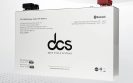
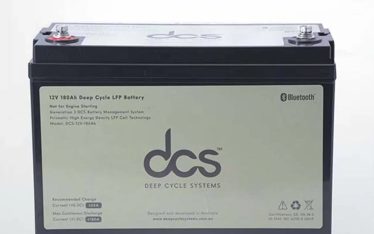
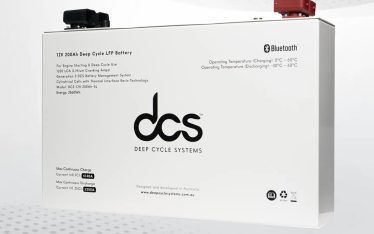
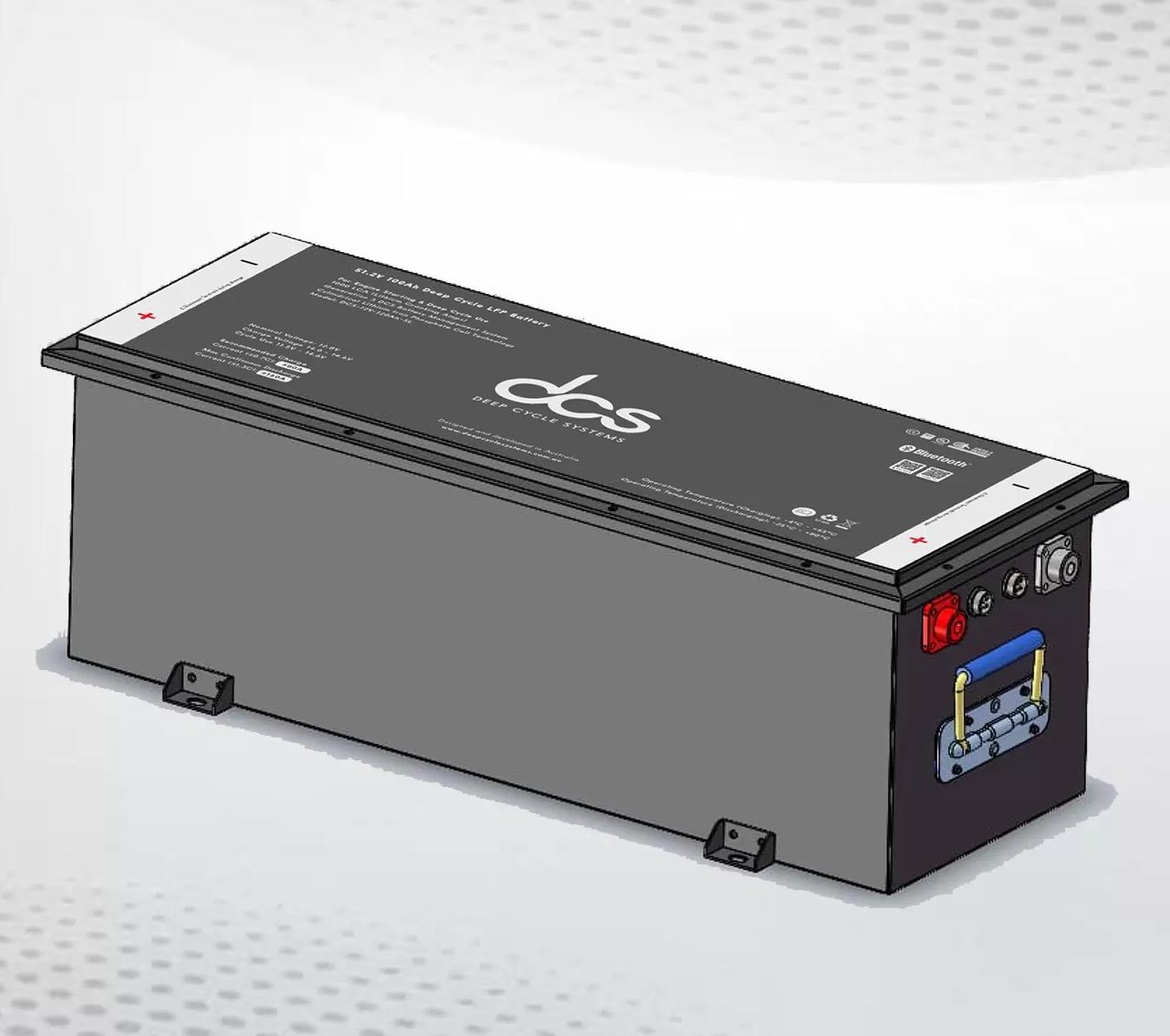
A DCS lithium golf cart battery 48V, particularly LiFePO4 chemistry, behaves very differently. It holds a stable voltage for most of the discharge cycle. In real-world use, which means your cart feels the same at 80% charge as it does at 30%. There’s also the issue of weight. A full lead-acid setup can easily weigh over 150 kg. Replacing it with a lithium system can remove a significant portion of that weight, which directly improves efficiency and reduces strain on the motor.
Real Performance Differences You’ll Actually Notice
On paper, lithium always looks better. But the real question is what changes when you actually drive the cart.
Consistent Power Instead of Voltage Drop
With lead-acid, voltage sag becomes obvious when:
- Driving uphill
- Carrying passengers or loads
- Using the cart for extended periods
With a DCS 48V LiFePO4 golf cart battery, the voltage stays stable. The cart doesn’t “fade” as you use it, which makes a noticeable difference in everyday driving.
Range That Matches Your Usage
A lot of users underestimate how much usable capacity they lose with lead-acid. Even if the battery is rated for a certain capacity, you can’t fully use it without shortening its life.
Lithium allows deeper discharge without damage. So even if the nominal capacity seems similar, the usable energy is higher. That’s why many people see a clear improvement in range after a 48V golf cart battery upgrade.
Charging That Fits Real Life
Lead-acid batteries often require long charging cycles and ideally should be fully recharged after each use. Lithium systems are more flexible. You can:
- Partially charge without affecting lifespan
- Charge faster
- Avoid the strict charging habits required by lead-acid
For golf carts used in resorts, properties, or daily transport, this flexibility makes a practical difference.
Maintenance: The Part Most People Want to Eliminate
Anyone who has owned a lead-acid system knows the routine—checking water levels, cleaning corrosion, and making sure connections stay in good condition.
With lithium, that entire process disappears. There’s no acid, no watering, and no corrosion build-up. The battery is sealed and managed internally. That alone is often enough to move forward with a golf cart battery replacement.
Understanding LiFePO4 in Golf Cart Applications
Not all lithium batteries are the same. For golf carts, LiFePO4 (Lithium Iron Phosphate) has become the preferred chemistry. It’s used in a 48V LiFePO4 golf cart battery because it offers:
- Thermal stability (less risk of overheating)
- Longer cycle life
- Better safety characteristics
- Consistent discharge performance
Compared to older lithium-ion chemistries, LiFePO4 is simply better suited to the repeated charge and discharge cycles that golf carts go through.
How Long Does a Lithium Upgrade Actually Last?
This is where the upgrade starts to make financial sense. A typical lead-acid system might last 2–4 years depending on use and maintenance. In contrast, a well-built lithium system can last significantly longer. Instead of replacing batteries multiple times, a single lithium golf cart battery 48V system can remain reliable for many years, even under regular use.
That changes how you think about cost. It’s not just about the upfront price—it’s about how often you have to replace the system.
Choosing the Best 48V Golf Cart Battery
Not every lithium battery on the market performs the same. When looking for the best 48V golf cart battery, there are a few things that matter more than just capacity ratings. A well-designed system should include:
- A reliable Battery Management System (BMS) to control charging, temperature, and safety
- Strong internal construction to handle vibration and movement
- Stable performance across different conditions
This is where build quality becomes important. A battery might look similar on paper, but real-world reliability depends on how it’s engineered.
Where DCS Fits In
For those looking at a serious golf cart lithium battery upgrade, systems from Deep Cycle Systems are built with these real-world conditions in mind.
A DCS lithium golf cart battery 48V system focuses on:
- Stable and consistent output under load
- Advanced BMS control for safety and performance
- Long service life without constant maintenance
- Durability suited to demanding environments
Rather than just replacing lead-acid, the idea is to provide a system that performs reliably over the long term.
Installation Considerations
Switching from lead-acid to lithium is usually straightforward, but there are a few practical points to keep in mind:
- Your charger may need to be compatible with lithium batteries
- The physical space required is often smaller, but mounting should still be secure
- Electrical connections should be checked to ensure proper integration
Many modern lithium systems are designed to simplify installation, especially for standard 48V setups.
Is a 48V Golf Cart Battery Upgrade Worth It?
For occasional users, a basic replacement might seem sufficient. But for anyone using their cart regularly—whether on a golf course, a large property, or for transport—the upgrade starts to make more sense. A 48V golf cart battery upgrade becomes worthwhile when:
- You’re dealing with frequent battery issues
- You want consistent performance throughout use
- Maintenance is becoming a burden
- You plan to keep the cart for the long term
It’s less about upgrading for the sake of it, and more about removing the limitations of older battery technology.
Final Thoughts
A golf cart battery replacement is something every owner eventually faces. The difference now is that you’re no longer limited to the same technology.
With a DCS 48V LiFePO4 golf cart battery, you’re getting:
- Stable performance
- Reduced maintenance
- Longer lifespan
- Better overall efficiency
For many users, the upgrade isn’t just noticeable—it completely changes how the cart feels and operates.
Thinking About Making the Switch?
If you’re planning a golf cart lithium battery upgrade, it’s worth looking at systems designed for long-term reliability rather than just a quick replacement. This is where Deep Cycle Systems come into the picture, offering lithium solutions built with real-world use in mind. Choosing a well-built 48V setup means fewer compromises, better overall performance, and a battery system that can actually keep up with how your golf cart is used day to day.