A lithium battery can look simple from the outside, but there is a lot happening inside the case. The cells need to charge evenly, discharge safely, stay within temperature limits, and avoid being pushed harder than they should. That is where a Battery Management System comes in.
For anyone using lithium batteries in a 4WD, caravan, boat, work ute, or off-grid solar setup, the BMS is not just a technical feature. It is the part of the battery that helps protect your power supply when conditions are not perfect. Heat, vibration, long cable runs, solar charging, inverters, and heavy loads can all affect battery behaviour.
Many people compare batteries by amp-hours first. That is understandable. A 100Ah or 200Ah label is easy to read. But the real value of a lithium battery also depends on how well it is managed. A strong battery with a weak BMS can still become unreliable.
Why a Battery Management System Matters
A Battery Management System (BMS) matters because lithium batteries need controlled protection during charging, discharging, and everyday use. It watches the battery’s condition and helps keep the cells inside safe working limits.
In real life, this protection is useful. A fridge might run all night in the back of a 4WD. A caravan may pull power through an inverter. A boat battery may deal with vibration, heat, and changing loads. A solar setup may charge hard during the middle of the day and then discharge heavily at night.
The BMS helps manage these situations. If voltage gets too high or too low, if current draw becomes excessive, or if temperature moves outside the safe range, the system can step in. Without that protection, the battery cells may be damaged over time. This is why a good BMS is not something to ignore when choosing a lithium battery.
What Is BMS Battery Protection?
People often search for what is BMS battery protection because the term is used everywhere, but not always explained properly. In simple words, it is the safety and control system that manages how a lithium battery performs. A BMS monitors individual cells inside the battery pack. It checks voltage, current, temperature, and balance between cells. If one part of the battery starts operating outside the safe range, the BMS helps reduce the risk of damage.
Think of it as the battery’s guard and organiser. The cells store the energy, but the BMS keeps an eye on how that energy moves in and out. This is especially important for batteries used away from home. If you are camped in the bush, out on the water, or running an off-grid system, you do not want to guess whether your battery is safe or healthy.
How a Lithium Battery BMS Works
A lithium battery BMS works by reading what is happening inside the battery and responding when needed. It does not make the battery more powerful, but it helps the battery use its power safely and efficiently.
One of its main jobs is voltage protection. Lithium cells have a safe voltage range. If they are charged too high or discharged too low, their life can be shortened. The BMS helps stop this from happening. Another job is cell balancing. In a battery pack, not every cell behaves exactly the same. Some may charge slightly faster. Some may discharge slightly differently. Over time, this can cause imbalance. A good BMS helps keep the cells closer together so the battery works more smoothly.
Temperature monitoring is also important. Batteries in Australian conditions can face serious heat, especially in a canopy, caravan compartment, boat storage area, or under-bonnet space. A BMS helps monitor temperature so the battery is not pushed beyond safe limits. It also helps protect against over-current, short circuits, and unsafe load conditions.
Smart BMS System
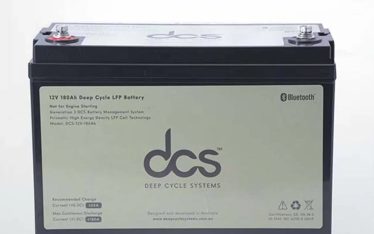
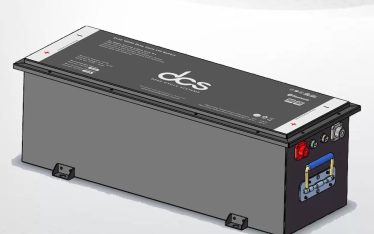
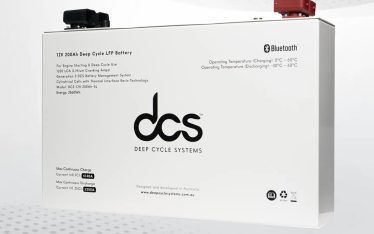
DCS smart BMS system does more than basic protection. It can give the user useful information about the battery instead of leaving everything hidden inside the case. Smart BMS designs allow Bluetooth or app-based monitoring. This can show details like state of charge, voltage, current draw, charging input, temperature, and warning alerts. For people who use batteries daily, this information is very useful.
For example, if a 4WD fridge has been running overnight, you can check how much power is left before deciding whether to drive, use solar, or reduce the load. If a caravan solar system is not charging properly, monitoring can help you spot the issue earlier. If an inverter is pulling more current than expected, you can see the load before it becomes a problem. This is where modern lithium batteries have a big advantage. They are not only lighter and faster to charge; they can also be easier to understand.
Battery Monitoring System and Everyday Use
A battery monitoring system helps you see what the battery is doing in real time. This is different from simply looking at voltage and guessing.
With lead-acid batteries, voltage often gives a rough idea of charge. With lithium batteries, voltage stays more stable for much of the discharge cycle. That is good for running equipment, but it means voltage alone can be misleading. A proper monitoring system gives more useful information. It can show whether the battery is charging, how much current is being used, and how much capacity remains.
This matters when you are relying on stored power. A camper running a fridge and lights wants to know whether the battery will last through the night. A boat owner wants to know if the battery is handling the load. If you are using solar, you will want to check whether the panels are putting enough energy back into the system. Good monitoring removes a lot of guesswork.
Importance of BMS for LiFePO4 Battery
A BMS for LiFePO4 battery is important because lithium iron phosphate batteries are designed for long service life, but they still need proper management.
LiFePO4 chemistry is known for being stable and reliable. That is one reason it is used in 4WDs, RVs, marine batteries, and solar storage. But stable does not mean the battery should be used without protection. The cells still need to stay within safe voltage and temperature limits. They still need balancing. They still need protection from over-discharge, overcharge, and excessive current draw. A quality BMS helps preserve the battery’s lifespan. It also helps the battery deliver better performance over years of use, not just during the first few trips. For users, this means fewer surprises and better confidence in the system.
Problems a Good BMS Helps Avoid
A BMS cannot fix a poor installation, but it can help prevent common battery problems.
- Over-discharge is one of the main issues. This can happen when appliances keep running until the battery is pulled too low. A BMS helps protect the cells before serious damage occurs.
- Overcharge is another risk. If the wrong charger is used, or if the charging system is not suitable for lithium, the battery may be pushed too hard.
- Excessive current draw can also be a problem. Large inverters, pumps, compressors, or faulty wiring can demand more current than the battery should supply.
- Heat is another concern. A battery stored in a hot area, especially in Australian summer conditions, needs temperature protection. A good BMS helps monitor that risk.
- The best results still come from pairing the battery with the right charger, wiring, fuses, and installation.
Choosing a Battery with the Right BMS
When buying a lithium battery, do not only ask about capacity. Ask what the BMS actually protects. A good BMS should manage:
- Overcharge protection
- Over-discharge protection
- Cell balancing
- Temperature protection
- Current protection
- Short circuit protection
- Monitoring features if available
The right BMS also depends on the application. A battery used in a weekend camping setup may not face the same demand as a marine battery, solar storage battery, or 4WD touring battery running every day. If you use solar, an inverter, or a DC-DC charger, make sure the battery and charging system are compatible. A good BMS works best when the full power system is designed properly.
Why DCS Focuses on Battery Protection
Deep Cycle Systems builds lithium battery solutions for demanding uses such as 4WDs, RVs, marine systems, solar storage, and off-grid power. In these applications, battery protection is not a small detail. It is part of making the battery dependable.
DCS lithium batteries are designed with attention to performance, monitoring, and battery safety. This is important for users who need power in real conditions, not just light use around town. For a 4WD owner, a caravan traveller, or someone running a solar setup, a strong BMS helps protect the battery investment. It also makes the system easier to manage because the user can better understand what is happening inside the battery.
A cheaper battery may look attractive at first, but if the BMS is weak, limited, or poorly matched to the application, the long-term value may not be there.
Power That Is Easier to Trust
A Battery Management System is one of the most important parts of a lithium battery. It protects the cells, supports safer charging, manages discharge, and helps the battery perform properly over time.
For 4WD, RV, marine, and solar users, this protection makes the battery easier to trust in real conditions. Instead of guessing what is happening inside the battery, a good battery monitoring system gives clearer information and better control. A lithium battery should not leave you guessing. With the right BMS, charger, wiring, and setup, it becomes easier to rely on your power system at camp, on the road, on the water, or off-grid.
Get a Smarter Lithium Battery with DCS
If you are choosing a lithium battery for a 4WD, RV, marine setup, solar system, or off-grid application, make sure the battery has reliable BMS protection. Deep Cycle Systems offers advanced lithium battery solutions designed for demanding Australian conditions, helping users get safer, smarter, and more dependable power wherever they need it.